
Six common fingering mistakes – have you made any today?
In the practice of playing the guzheng, there are numerous fingering errors that are easily overlooked. Today, we shall examine some common mistakes for analysis and discussion:
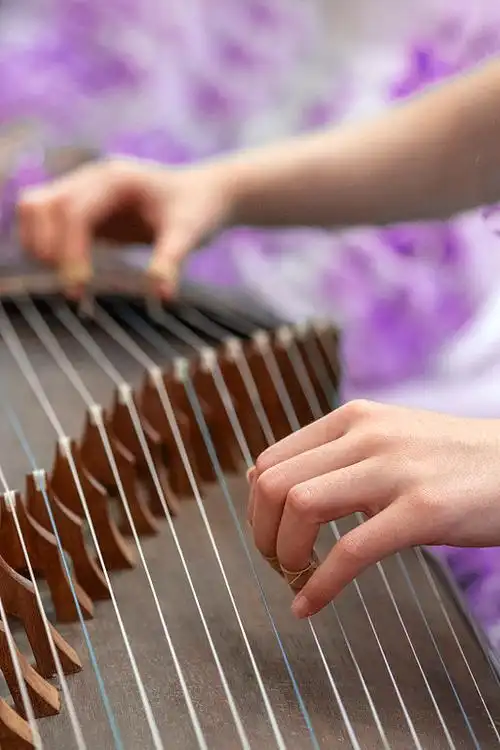
- Inability to play in time with the beat
During practice, one must attentively listen to whether the duration of each note played is accurate, including quarter notes, eighth notes, rests, staccato, etc. If a student has not mastered finger movement techniques and must also consider rhythmic changes, they may feel overwhelmed. In such cases, one may temporarily disregard the rhythm and focus solely on practising each fingering technique with all four fingers. Ensure proper string contact and release. - Inflexible thumb
The thumb is typically less agile and more cumbersome. Similar to the stiffness experienced when writing with a pen – where the knuckles bend or the palm hollows, causing the entire hand to stiffen – this can restrict the thumb’s free movement. Should this occur, it is advisable to step away from the instrument. Gently rest the four fingers along the edge of a table surface, leaving the thumb suspended in the air. Extend and flex the thumb to experience its relaxed movement, ensuring it does not sink into the palm joint. - Inappropriate Finger Elevation
Sometimes lifting fingers causes the wrist and arm to rise as well, stemming from insufficient relaxation in the wrist and fingers. To remedy this, ensure fingers, wrist, and forearm remain relaxed to prevent muscle fatigue. - Fingers curling outward
Many players unconsciously curl other fingers outward during playing. This curling significantly reduces the responsiveness of finger lifting. To address this, slow down the tempo and focus intently on the vertical actions of lifting, striking, and releasing the fingers. - Sunken Palm
This occurs when the metacarpal joints are positioned too low, preventing the fingers from standing upright. To correct this, use the index finger of your free hand to gently press upwards against the metacarpal bone of the middle finger from the palm side. This will restore the hand’s natural shape. - Unstable and Concave Finger Tips
If the fingertip remains unstable and indented when other fingers are raised and lowered, grasp the tip with the opposite hand to gently curve it forward into a rounded shape. Then lift the tip, thereby raising the finger. This auxiliary exercise is particularly crucial when the weak fourth finger struggles to lift at all.
To prevent these incorrect fingerings, pay meticulous attention to detail during repeated practice sessions, maintaining rigorous standards to achieve precise and standardised playing technique.